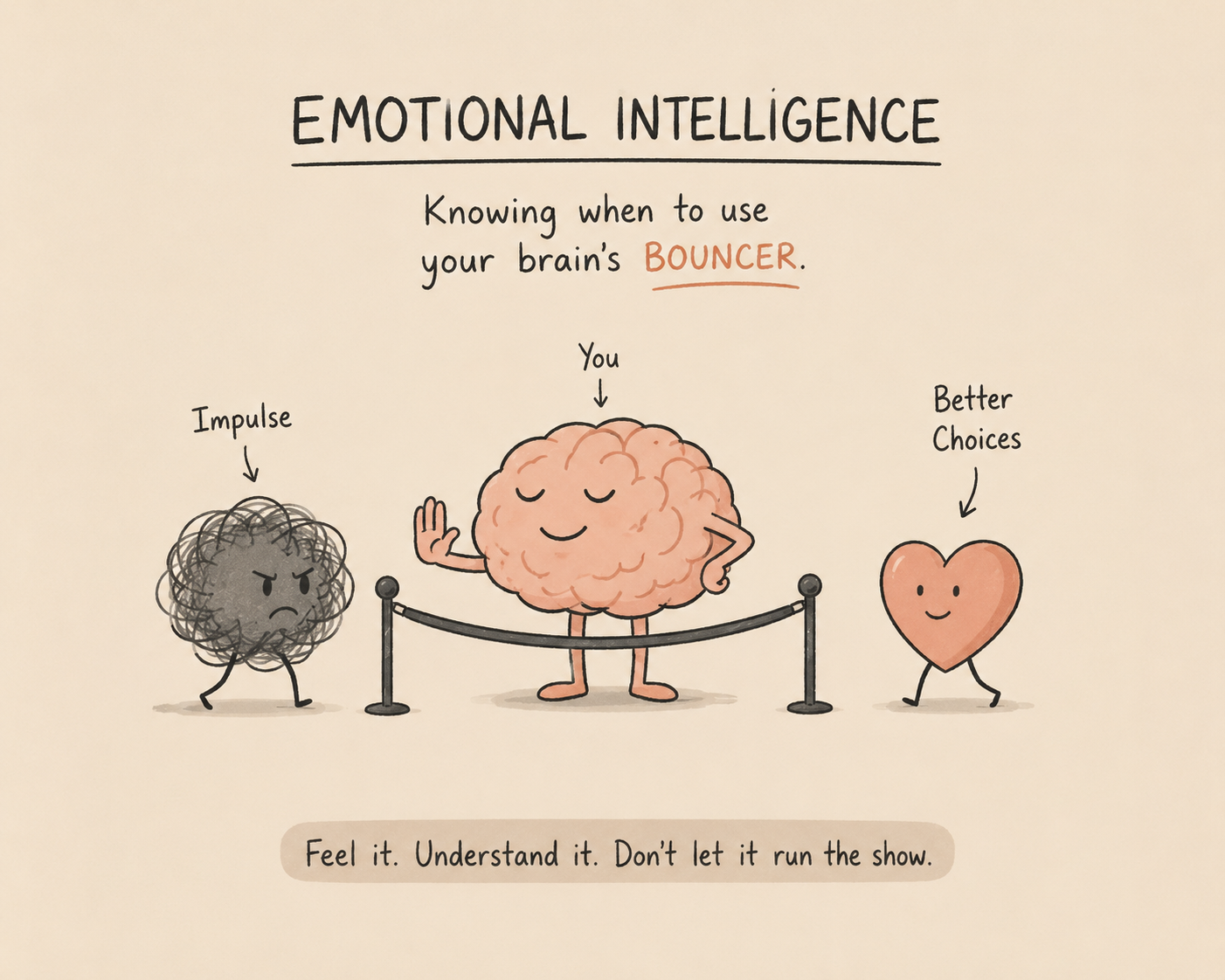
Emotional Intelligence: The Book That Calmly Roasts Your Entire Personality
You know a book is dangerous when it doesn’t attack your intelligence…
it attacks the way you reacted during that one argument in 2019 that still replays in your head at 2 a.m. Emotional Intelligence by Daniel Goleman is basically a scientific reminder that being “smart” means absolutely nothing if you still communicate like a Wi-Fi router losing signal during emotional conversations.
This isn’t one of those self-help books that tells you to “just think positive” while your life is emotionally buffering. Nope. This book walks in with psychology, neuroscience, behavior studies, and enough uncomfortable truth to make you question every “I’m fine” you’ve ever said with visible rage in your eyes.
The book explores why some people with average IQs thrive in relationships, careers, and life while some “geniuses” emotionally collapse because somebody replied with “k.” It dives into self-awareness, empathy, emotional control, motivation, and social skills — aka the five things most humans suddenly forget during family WhatsApp fights. And honestly? That’s what makes this book worth reading. Because it doesn’t just explain emotions. It exposes them.
I recently went through this book and honestly? It feels less like a psychology book and more like a police investigation into why humans are emotionally dysfunctional. My notes from the book basically turned into a full emotional autopsy of modern society.
Because apparently: humans can build rockets, create AI, stalk someone’s ex from 2014 through Instagram highlights, but the moment they say..
“That hurt my feelings.”
Without their nervous system behaving like they’re under military attack.
And that, my friends, is the entire plot of human civilization.
Reading this feels like getting professionally audited by your own conscience. One chapter in and suddenly you’re remembering: every passive-aggressive text, every emotional overreaction, every time you said “I don’t care” while caring with Olympic-level intensity. Yet somehow, the book never feels preachy. It feels practical. Sharp. Uncomfortably accurate. Like therapy… but with footnotes. If you’ve ever wondered: why people sabotage relationships, why emotionally mature people feel rare, why some people can’t communicate without sounding like wounded raccoons, then this book will hit harder than most modern “hustle culture” self-help content combined. And the worst part? You’ll probably start recognizing yourself in it. Which is exactly why you should read it.
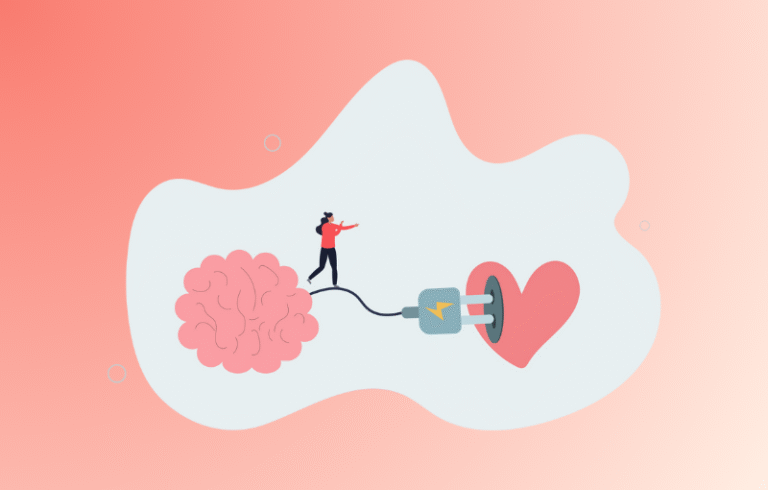
Self-Awareness & Emotional Intelligence
1. The key to self-knowledge? Knowing what you feel before your emotions start driving the car without a license.
2. No intelligence matters more than understanding people. Yes, even more than solving math problems nobody asked about.
3. Emotional life gets richer when you actually notice your feelings instead of labeling everything as “just tired.”
4. If you can’t name your feelings, congratulations your emotions now own you.
5. The root meaning of “emotion” is “to move.” Which explains why feelings drag us into chaos daily.
Anger & Emotional Control
6. Reframing situations positively is one of the fastest ways to calm anger. Your brain loves a plot twist.
7. Rage-venting doesn’t cool anger; it gives your emotional brain an espresso shot.
8. Best anger advice ever: don’t suppress it… but also don’t turn into a WWE promo.
9. Angry brains can’t empathize well. Rage turns emotional reception into airplane mode.
Optimism, Motivation & Mental Health
1. Students with high hopes aim higher and actually work for it instead of manifesting success from bed.
2. Optimism: the cheapest life upgrade nobody consistently installs.
3. Mild depression? Exercise helps. Anxiety? Relaxation works. Sadness? Tiny wins matter more than motivational quotes.
4. One of the best mood-lifters is helping someone else. Turns out humanity occasionally works.
5. Seeing life differently is often the antidote to depression. Your brain sometimes just needs a new camera angle.
Flow, Creativity & Peak Performance
1. A good laugh boosts creativity. Basically, your brain works better after memes.
2. Flow is emotional intelligence at its best: complete focus, zero self-consciousness, and time basically rage-quitting.
3. Flow happens between boredom and panic — the sweet spot where your brain says, “Okay fine, this is interesting.”
Parenting & Teaching Children
1. The healthiest way to motivate children? Inspire them from within instead of bribing them like tiny corporate employees.
2. Children become more empathetic when corrected with compassion instead of “because I said so” speeches.
Empathy & Human Connection
1. Empathy starts with self-awareness. If you ignore your own feelings, reading others becomes emotional CAPTCHA.
2. Most emotional communication is nonverbal. Humans say “I’m fine” while their face files a police report.
2. Empathy exists from birth. Even babies hear another baby cry and think, “This place is awful.”
3. Love without empathy is just two emotionally confused people sharing a blanket.
4. Your brain is biologically wired for empathy. The software came pre-installed.
Sit back. The book isn’t done exposing humanity yet — more emotional damage disguised as “important life lessons” is coming.
Social Arts & Relationship Skills
1. Being able to manage emotions in someone else is the core of the art of emotional handling relationships.
2. Attuning to others requires at least a little inner calm. Hard to read emotions when your own brain is hosting a civil war.
3. Great relationships depend on two emotional skills: self-control and empathy. Yes, apparently screaming “YOU NEVER UNDERSTAND ME” is not considered emotional maturity.
4. Every emotional display leaves an impact on the other person. Humans are basically mood broadcasters with Wi-Fi always on.
Emotional Contagion: Feelings Are Basically Airborne
1. Emotions are contagious. We pass moods around like psychological flu germs nobody asked for.
2. Some interactions nourish you, others drain your soul faster than a Monday morning meeting.
3. We catch feelings from each other almost like a social virus. Which explains why one dramatic person can emotionally infect an entire room.
4. In conversations, moods usually transfer from the more emotionally expressive person to the quieter one. Loud energy wins. Science confirmed what extroverts suspected.
5. Setting the emotional tone of a conversation is a subtle form of dominance. Whoever controls the vibe controls the interaction.
6. Dominant partners usually talk more, while the quieter partner studies their face and reactions. Basically: one performs, the other emotionally fact-checks.
Influence, Social Intelligence & Human Shape-Shifting
1. Emotional entertainment is the heart of influence. Humans listen better when feelings are involved — logic alone rarely trends.
2. Socially intelligent people can become “social chameleons,” changing behavior for approval faster than people switch Instagram personalities.
3. These “as-if personalities” shift personas depending on who they’re around. One minute philosopher, next minute gym bro, next minute corporate motivational speaker.
4. One winning strategy for entering a group: observe first, imitate a little, then join naturally. Basically, successful socializing starts with low-key emotional stalking.
Illness & Emotions — Apparently Your Feelings Have HR Access To Your Organs
1. People’s emotional states play a significant role in both getting sick and recovering.
Meaning your body is not ignoring your emotional chaos just because you are “functioning normally.”
2. The nervous system is deeply connected to the immune system.
So yes, your brain and your immunity are basically in a toxic group chat together.
3. Studies confirm that chronic worry is bad for health.
Congratulations to overthinkers: your hobby now has medical consequences.
4. Being prone to anger predicted early death more strongly than smoking, high blood pressure, or high cholesterol.
Imagine surviving junk food only to be taken down by your own rage issues.
5. The real danger is not occasional anger, but chronic bitterness, cynicism, mistrust, sarcastic put-downs, and constant rage.
So becoming a permanently irritated human Twitter thread is apparently hazardous to health.
6. An occasional outburst is not deadly.
But waking up every morning emotionally prepared to hate humanity? Different story.
7. Empathy acts like a balm for anger.
Which is unfortunate because most people would rather win arguments than understand feelings.
8. The more stress people have, the more likely they are to catch illnesses like colds.
Your immune system eventually gets tired of your “it is what it is” attitude.
9. Feeling emotionally isolated or having nobody to share private feelings with doubles the chances of sickness or even death.
Turns out humans are not emotionally designed to run on “I don’t need anyone.”
10. Solitude is not the same as isolation.
Being alone peacefully is self-care. Feeling emotionally abandoned while surrounded by people is psychological horror.
11. The more important a relationship is in your life, the more it affects your health.
Which explains why heartbreak feels like your organs personally experienced betrayal.
12. If human connection came in pill form and increased life expectancy this much, pharmaceutical companies would be selling it in premium packaging by tomorrow morning.
13. Patients should be equal partners with doctors while making health decisions.
Because “Google said I’m dying” should probably not be your entire treatment plan.
And that’s it for now. If this blog made you question your relationships, your emotional habits, your childhood, your anger issues, or that one “I’m fine” text you sent last week… then congratulations, the book did its job.
I still couldn’t cover all the important highlights I noted from Emotional Intelligence because honestly, this book exposes humanity layer by layer like an emotional crime documentary. But this is not the end. This was only Part-1 of the emotional damage.
Part-2 is coming soon and trust me, that’s where things get dangerously relatable. We’ll dive into marriage, emotional flooding, criticism, contempt, why couples fight like unpaid therapists, belief systems, emotional skills, empathy, and the psychological chaos humans lovingly call “communication.”
So sit back. Hydrate. Regulate your nervous system. More important highlights and more emotional attacks disguised as life lessons are coming soon.
Final Thoughts
Reading Emotional Intelligence feels less like reading a psychology book and more like accidentally discovering why humanity is emotionally exhausted all the time.
Maybe the biggest lie society ever sold us was that intelligence only meant grades, careers, achievements, and sounding smart in arguments. Because in real life, none of that matters if a person cannot regulate anger, communicate feelings, handle rejection, apologize sincerely, or love without turning relationships into emotional warfare.
This book quietly exposes something terrifying: most adults are simply children with older faces, better vocabulary, and unhealed emotional patterns. We learned how to make money, pass exams, and survive competition… but not how to process loneliness, heartbreak, insecurity, empathy, resentment, or emotional pain.
And maybe that’s why modern life feels so emotionally heavy.
People are starving for connection while pretending they “don’t need anyone.”
Couples are talking more but understanding each other less.
Everyone wants love, but very few people are emotionally trained for it.
If this blog changed the way you look at yourself, your relationships, your anger, your habits, or the people around you… then maybe emotional intelligence was never a “soft skill.”
Maybe it was the survival skill all along.
Now go ahead and comment your thoughts before your emotional brain convinces you:
“No no… I’m completely fine and emotionally stable.”
Tell me which highlight attacked you personally, which truth felt illegal, or which relationship lesson made you stare at the wall for five business minutes. And if you suddenly feel the urge to text someone:
“We need to talk…”…please don’t blame the blog.

One Comment