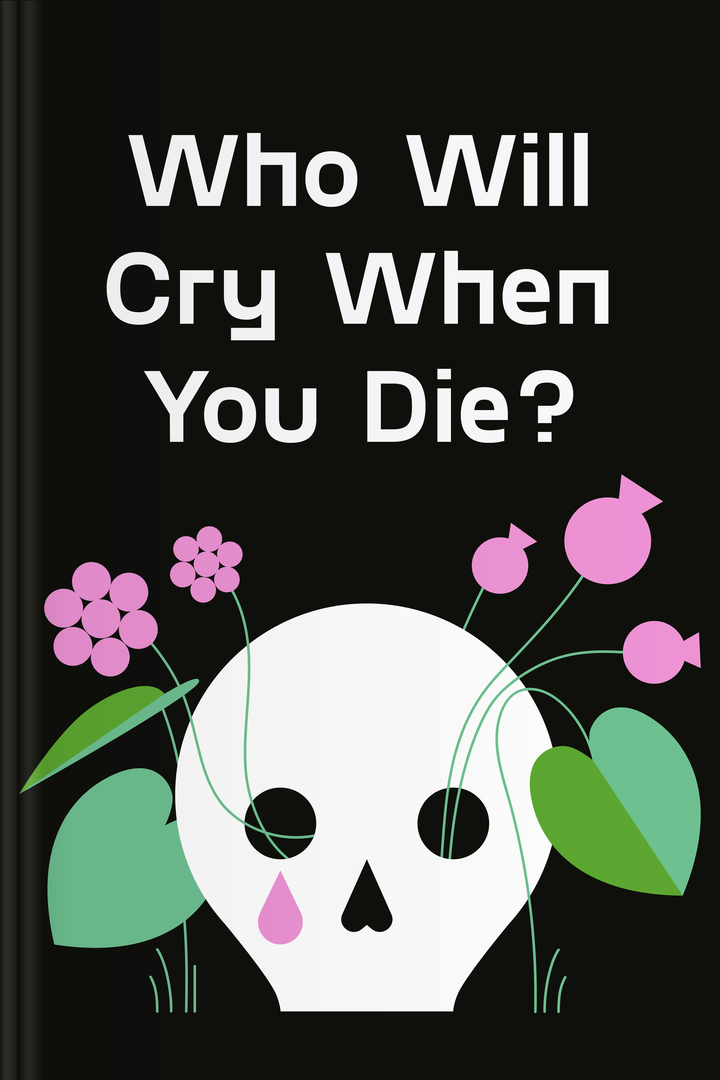
📘 Book Review: Who Will Cry When You Die – A Funeral Question That Slaps Harder Than Reality
Let’s start with the most uncomfortable question ever written on paper:
Who will cry when you die?
Not, How much money you made 💸, How busy you were 🏃♀️, How many unread WhatsApp messages you left behind 📱
Just…
Who will genuinely miss you?
This book doesn’t motivate you.
It emotionally ambushes you and then asks you to sit with your life choices.
✍️ Who Wrote This Emotional Uppercut?
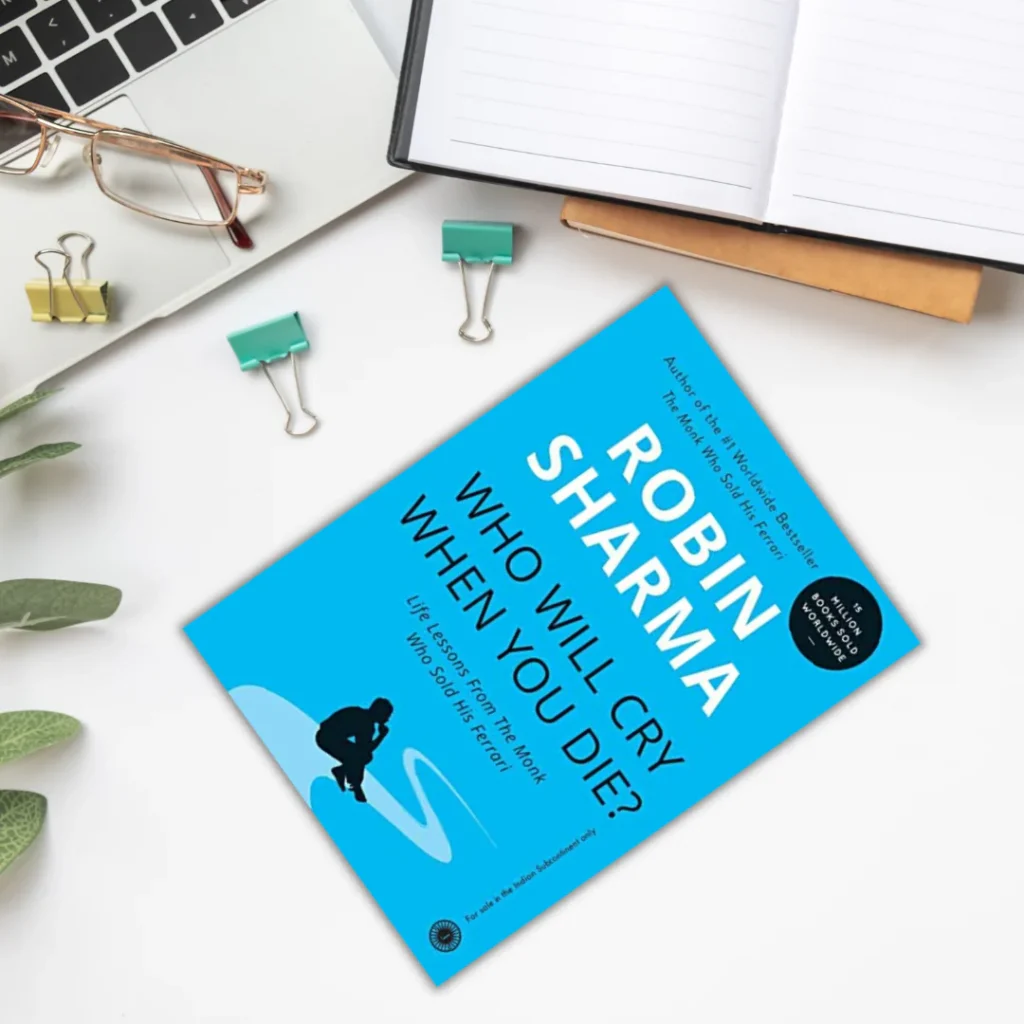
Robin Sharma is known for writing books that sound calm but quietly ruin your ego.
He’s a leadership expert, speaker, and the guy who reminds successful people that:
“Being busy is not the same as being meaningful.”
He doesn’t scream.
He whispers truths that echo for years.
😬 The Core Idea: Success Without Impact Is Just Fancy Emptiness
This book is not about dying.
It’s about realizing you’re alive and wasting it on autopilot.
Robin Sharma argues that:
- You can be successful and still irrelevant
- You can be rich and still forgotten
- You can be productive and still empty
Basically, your resume won’t attend your funeral.
Your character will.
🔥 Savage Reality Check: Nobody Cares About Your Hustle After You’re Gone
We live in a world where:
- Hustle culture worships burnout 🔥
- Productivity is treated like personality 🧠
- Being “busy” is worn like a badge of honor
But here’s the roast: Your Google Calendar will not cry at your funeral. This book quietly destroys hustle culture without starting a Twitter war.
📌 Highlights from the Book
Robin Sharma structures the book into short life lessons—easy to read, hard to ignore.
Here are some key highlights 👇
- Live with purpose, not pressure
- Be kind when it’s inconvenient
- Leave people better than you found them
- Don’t postpone joy like it’s an optional feature
- Success without service is failure in disguise
Each chapter feels like:
“I’m not judging you… but I’m definitely disappointed.”
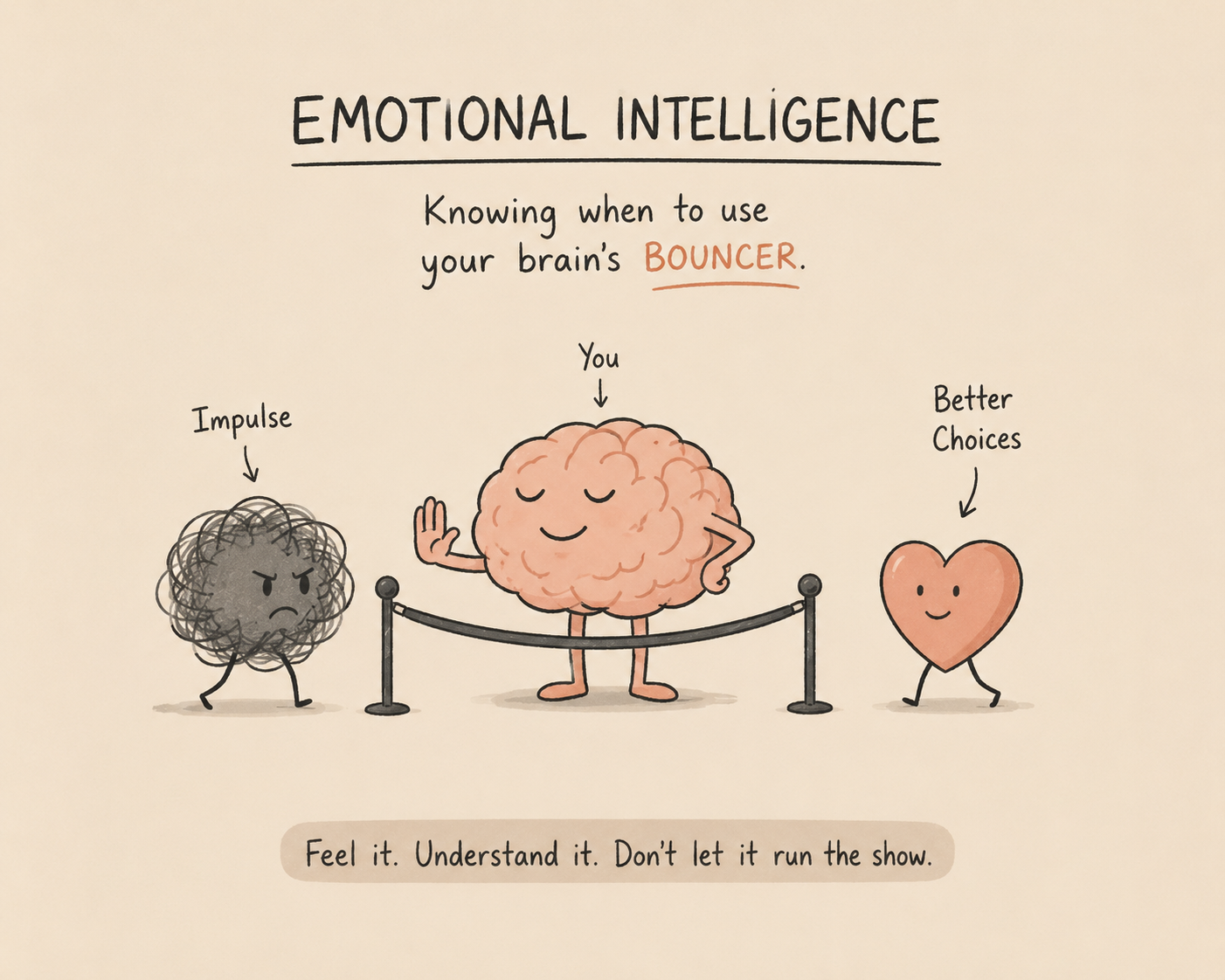
Savage Detour: Emotional Intelligence — The Skill Nobody Teaches but Everyone Pays For
Let’s pause the motivational quotes for a second and talk about Emotional Intelligence (ability to understand, manage, and respond to emotions) — the skill that silently decides who is loved, tolerated, or mentally blocked on WhatsApp.
Most people don’t fail in life because they lack intelligence.
They fail because they:
- React instead of respond
- Speak without listening
- Confuse honesty with cruelty
- Call emotional immaturity “being real”
Books on Emotional Intelligence expose an uncomfortable truth:
Your life outcomes depend less on how smart you are and more on self-awareness (knowing your emotional triggers), empathy (understanding how your actions affect others), and emotional regulation (not exploding like a pressure cooker over small things).
This is where Who Will Cry When You Die quietly connects the dots.
Legacy is emotional. Impact is emotional. Remembrance is emotional.
People don’t remember what you achieved.
They remember how you made them feel — especially when you didn’t have to be kind, but chose to be anyway. Because in the end, nobody cries for your success.
They cry for your presence.
😏 Why This Book Hurts More Than Self-Help Books
Most self-help books say:
“You can be anything!”
This one says:
“You chose to be shallow. Fix it.”
It doesn’t give 10-step formulas.
It gives mirror moments.
And mirrors are brutal.
📍 Why One SHOULD Read This Book (Even If It Makes You Uncomfortable)
You should read this book if:
- You feel busy but unfulfilled
- You chase goals without knowing why
- You fear slowing down because silence scares you
You should especially read it if:
- Your life looks good online but feels hollow offline
This book is like:
Emotional detox without green tea.
🧨 Savage Truth: Legacy Is Built in Small Moments, Not Big Announcements
Robin Sharma reminds us that legacy is not:
- Viral posts
- Big achievements
- Loud success
It’s built in:
- How you speak when nobody’s watching
- How you treat people who can’t help you
- How you show up consistently
Your brain overvalues achievements.
This book rebalances your priorities.
🧠 Cognitive Bias Alert (Yes, Your Brain Is Lying Again)
One hidden theme of this book is cognitive bias (systematic thinking error)—especially:
- Optimism bias (believing you have unlimited time)
- Ego bias (thinking you’ll “do good later”)
Spoiler:
Later is not guaranteed.
Your intentions don’t count if they never become actions.
😌 Simple Lessons That Hit Harder With Age
What makes this book powerful is its simplicity:
- No complex theories
- No heavy philosophy
- No motivational shouting
Just quiet truths that grow louder as you grow older.
It’s the kind of book you:
- Read once in your 20s
- Understand in your 30s
- Feel deeply in your 40s
🎭 Final Verdict: This Book Doesn’t Ask You to Change the World
It asks you to:
- Change one habit
- Show up better
- Be remembered for the right reasons
Who Will Cry When You Die is not dramatic.
It’s emotionally honest—which is far more dangerous.
In a world ruled by:
- AI optimization
- Machine efficiency
- Algorithmic validation
This book quietly asks: Were you human… or just functional?